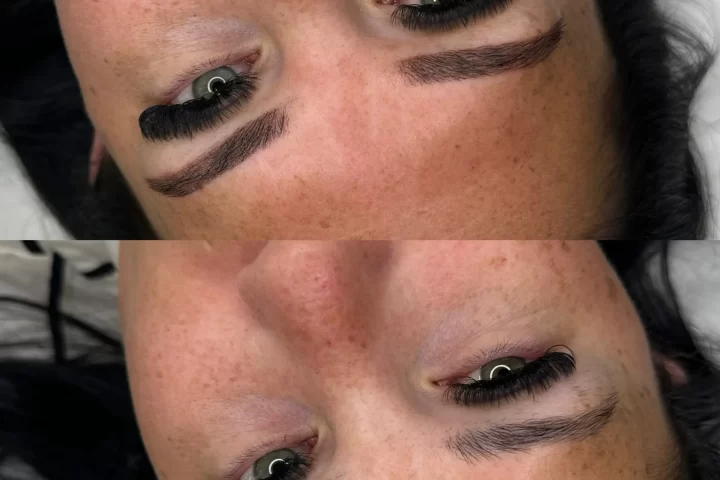
If you’ve been Googling “Is learning permanent makeup difficult?” while scrolling through Instagram reels of perfect brows, you’re not alone. I’ve had dozens of clients (and beauty pros) sit in my chair asking the same question. Here’s the honest answer: it depends on how you’re wired, what your goals are, and how deep you’re willing to go beyond the highlight reel.
Permanent makeup (PMU) isn’t just about drawing pretty brows on a latex pad. It’s about understanding skin undertones, pigment chemistry, facial symmetry and the healing process from day one to year three. And yes, it can be hard to learn. But it’s also one of the most rewarding skills in the permanent makeup industry and broader beauty industry when you’re properly trained and supported.
Let me break it down for you — from the technical skills to the emotional rollercoaster — so you can decide if this path is worth pursuing (spoiler: if you’re even asking, it probably is).
Contents
What Trips Beginners Up Most
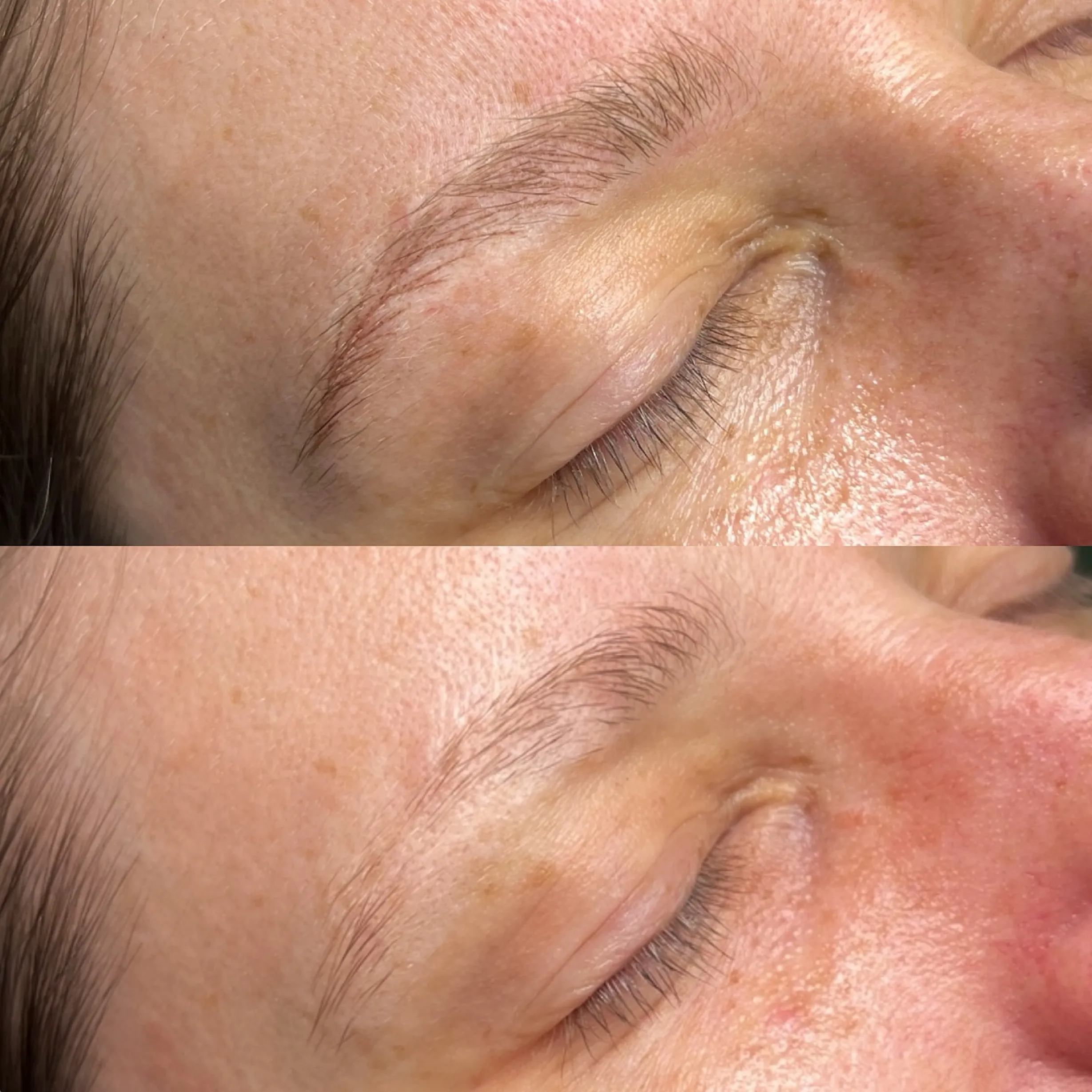
It’s not just about being “artistic”. Here’s what makes learning permanent makeup really tough for many beginners:
1. There’s a Steep Learning Curve with Machines and Skin
Tattooing human skin is a whole different ball game from practising on paper or silicone pads. Real skin stretches, bleeds, scars, flakes, heals unpredictably and reacts differently depending on the client’s age, medication, skin tone and skin condition.
You’ll need to learn:
- How to stretch skin correctly for clean hair strokes
- The difference between cosmetic tattoo machines and traditional tattooing equipment
- How pigment deposits into the dermal layer
- What to do when the skin starts rejecting colour mid-procedure
2. You Need Solid Knowledge of Colour Theory and Pigment Behaviour
Cosmetic tattoo pigments are semi-permanent and behave differently from body tattoo inks. Their longevity, fading process and undertone shift over time depend on skin type, UV exposure and lifestyle. And darker or medium skin requires even more nuance.
You’ll be tested on:
- Warm vs cool undertones (both skin and pigment)
- Choosing the right pigment mix for a client’s Fitzpatrick type
- Preventing colour migration and dreaded blue brows
- Correcting healed work that’s faded to an unwanted colour — think colour over time and long-lasting results
3. You’re Working on Faces — Not Just Canvases
There’s a huge mental load that comes with tattooing someone’s face. It’s personal, permanent (ish) and comes with high expectations. You’re enhancing facial features and working with natural features that vary with every individual.
You’ll need emotional stamina for:
- Nervous clients who want you to “just go natural” but also “make it pop”
- Post-treatment freak-outs when flaking starts
- Touch-up expectations vs healed reality
- The pressure to nail symmetry, placement and retention every time
4. It Takes Time to Build Confidence and Consistency
Even the most naturally talented students I’ve trained take time to level up. There’s a gap between understanding theory and being able to apply it to real faces.
What makes this part hard:
- Impostor syndrome when things don’t heal as expected
- Staying motivated through your first few shaky clients
- Learning how to photograph and document your work professionally
Why Learning PMU is Easier
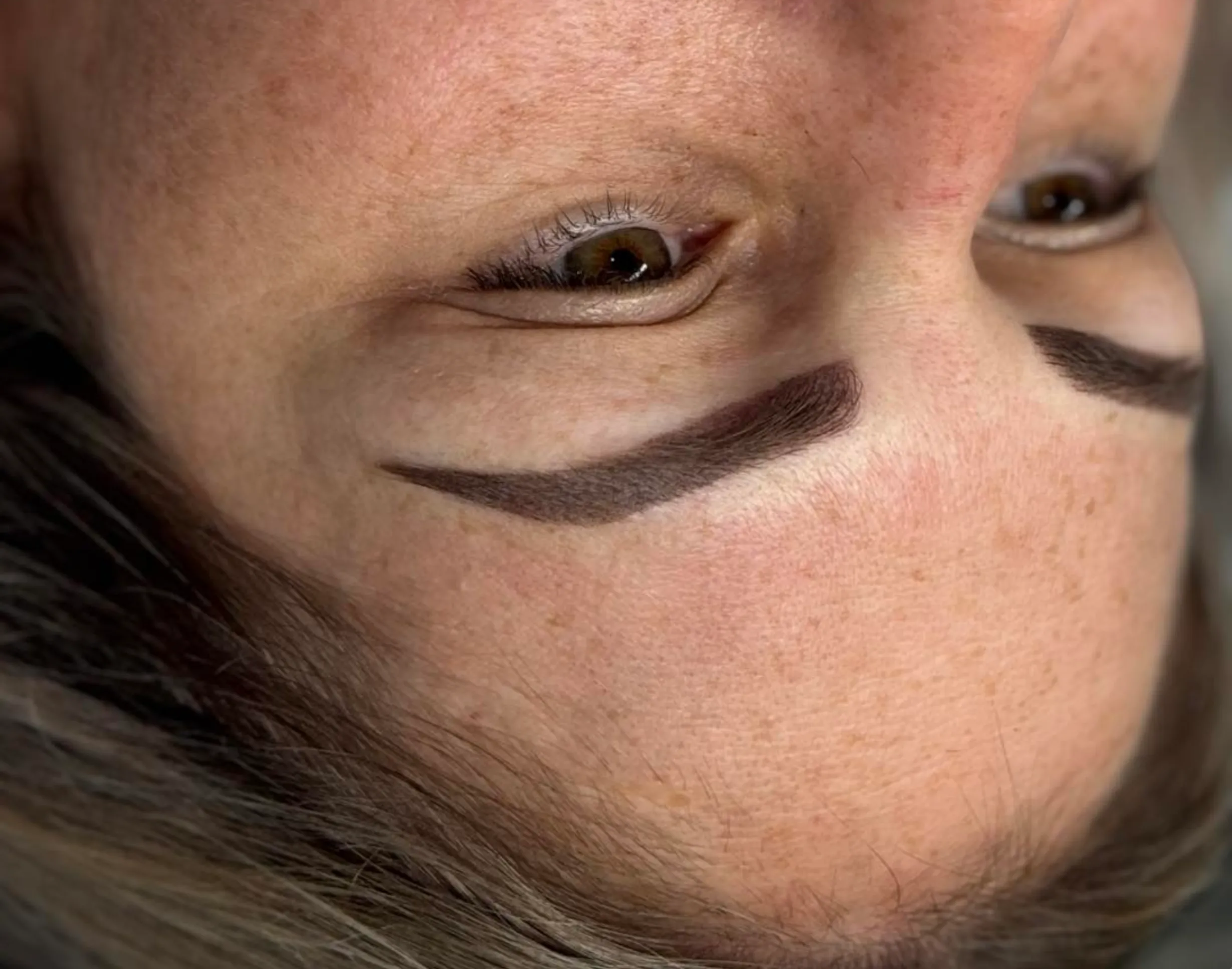
1. Quality Training with Real Clients
Online courses have their place but nothing beats hands-on training with real skin. Look for:
- Courses that include live models (not just artificial skin or latex)
- One-on-one training and feedback during practical sessions
- Instructors with active studios and healed portfolio examples
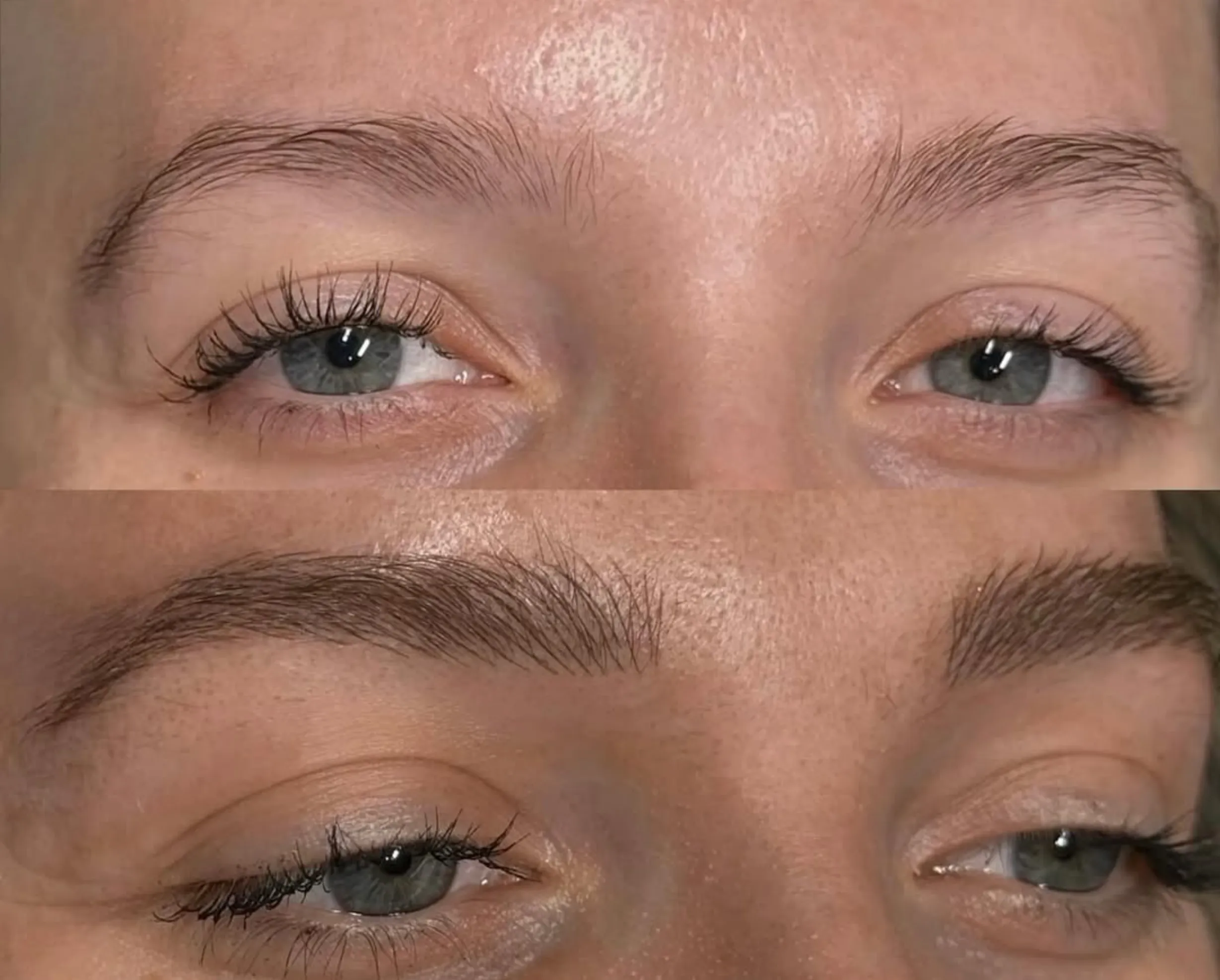
- Realistic healing timelines — not just filtered Day 1 photos
Brands like Cosmetic Tattoo Brisbane Studio Face Figurati lead the way by offering immersive cosmetic tattoo courses with small class sizes, tailored support and a clear path from beginner to working artist.
2. Mentorship and Post-Course Support
Good artists aren’t built in 3-day workshops. You’ll need support beyond training:
- Private student groups for troubleshooting
- Access to your trainer for follow-up questions
- Opportunities to shadow, assist or return for refreshers
3. A Willingness to Keep Learning (Forever)
Trends change. Skin types challenge you. Pigment brands evolve. If you love learning and problem solving this career will reward you forever. The most successful artists embrace continuous development and stay up to date on safety standards, advanced training techniques and the technical aspects of evolving styles.
Skills You Actually Learn
| Skill Area | What You’ll Learn |
|---|---|
| Theory | Skin anatomy, pigment chemistry, colour theory, contraindications |
| Technique | Needle selection, stroke patterns, machine control, pressure levels, and cosmetic tattooing technique |
| Design | Face mapping, brow shaping for bone structure, eyebrow shape, lip symmetry, and arched eyebrows |
| Client Care | Consultation skills, aftercare instructions, managing expectations, proper aftercare and advice on care |
| Safety & Hygiene | Infection control, safety protocols, council regulations, PPE, waste disposal |
| Business & Branding | Photography, social media, pricing strategies, advertising services, insurance, and building a range of services |
PMU 2025
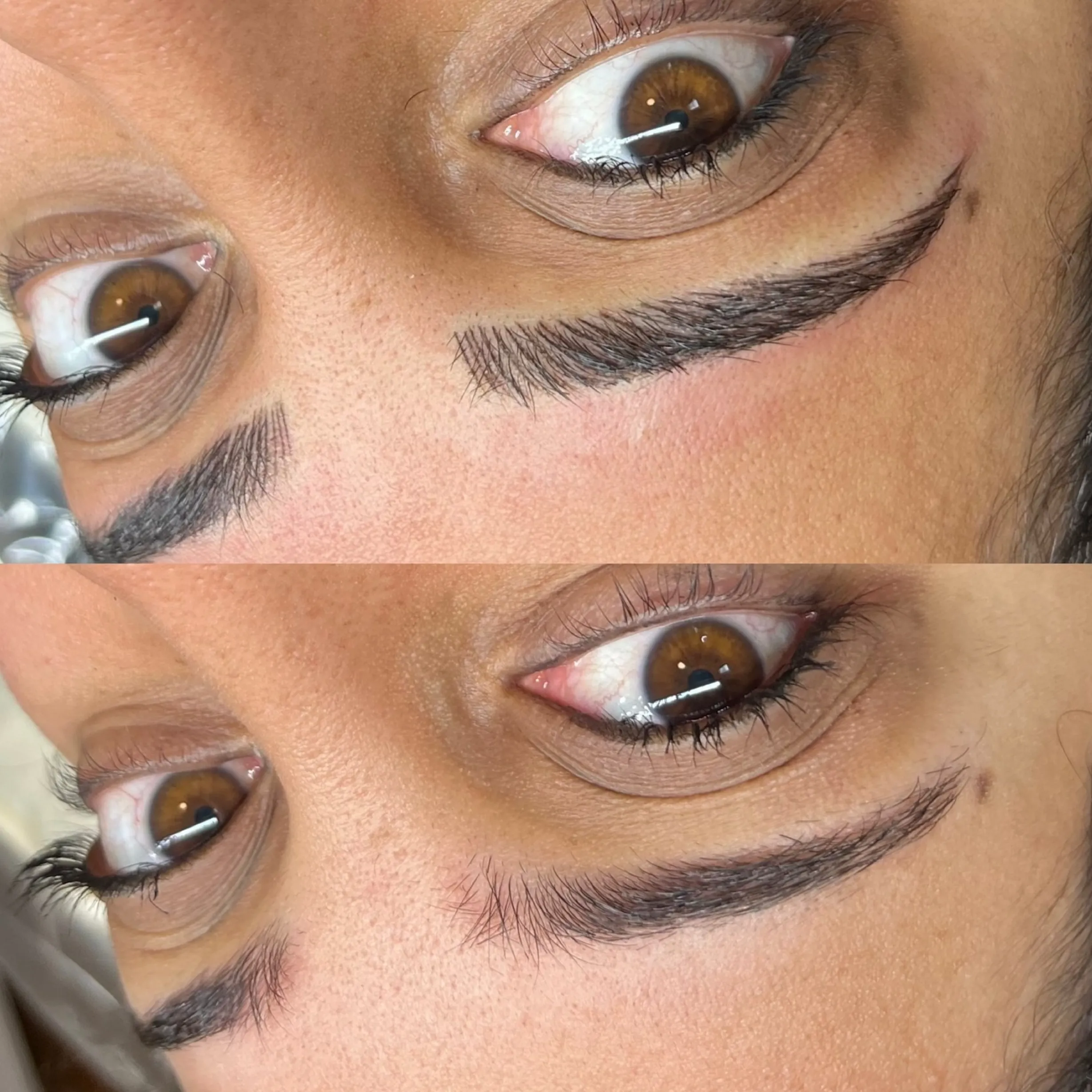
The PMU world moves fast. Here’s what’s trending in 2025 and what that means for students:
- Advanced skin tone education: Training is now covering darker and mixed ethnic skin tones more thoroughly.
- More realism, less makeup-look: Think soft shaded lips and fine hairstrokes over blocky shapes and heavy ombre — what clients are asking for.
- Hybrid courses: Online theory and in-person practice is the new norm.
- Higher safety standards: Infection prevention, consent forms and client screening post-COVID.
- Better tools: PMU machines and pigments are getting smarter and more skin-friendly especially for active or busy lifestyles.
Final Thoughts
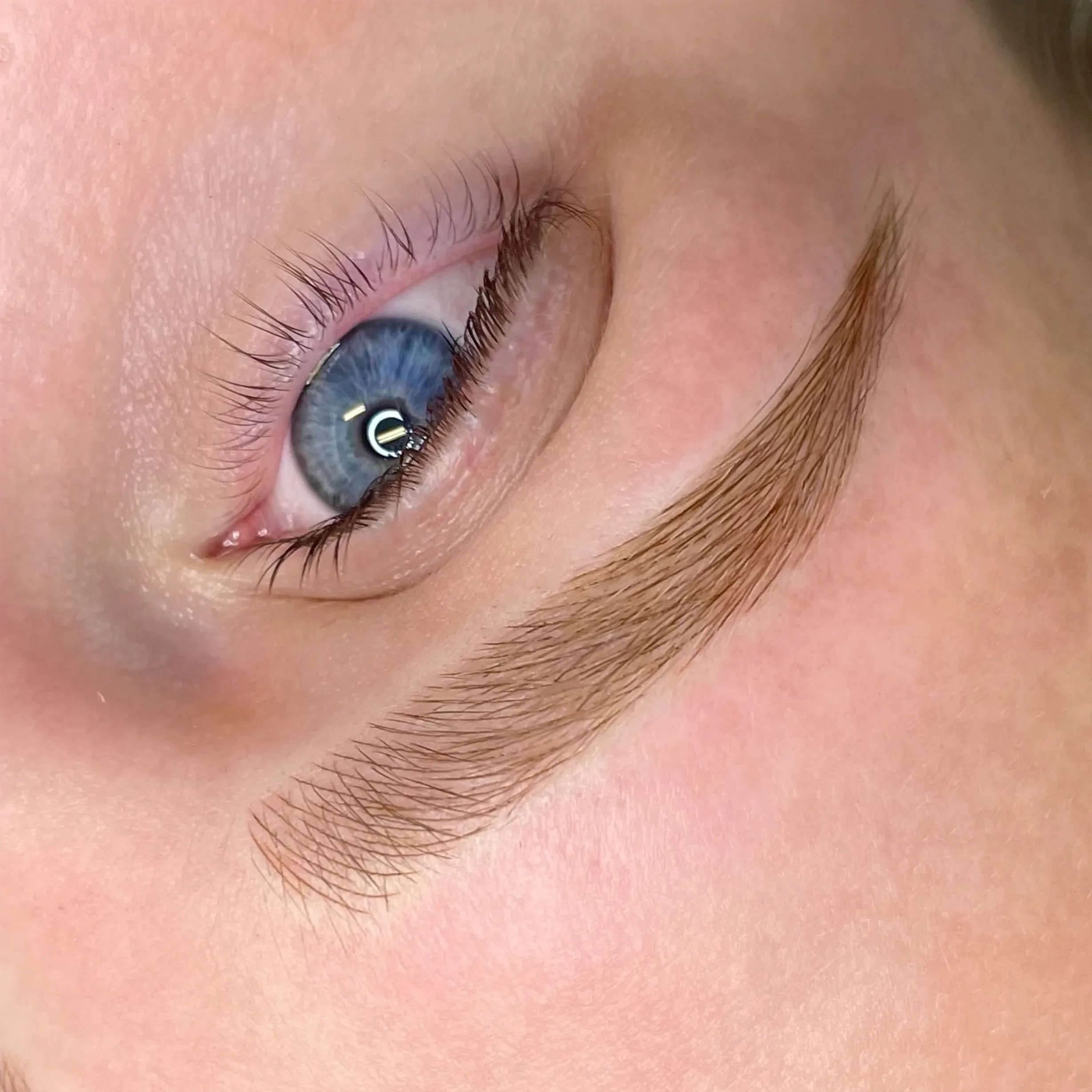
So you’re still wondering “Is learning permanent makeup hard?”. Here’s the truth: yes it can be. But so is anything worth doing well.
If you love enhancing facial features and natural beauty, are good with your hands, like detail work, and care about people, this might be your thing. You’ll need grit, patience and ongoing training. But the payoff? A loyal client base, creative fulfilment and a serious boost to your beauty career and income in the aesthetic industry.
Make sure your training provider offers proper training, access to training materials and supports your licensing process. Working with a reputable makeup artist or an experienced artist for mentorship can make all the difference.
Whether you want to become a cosmetic tattoo artist or are just curious about what a cosmetic tattoo course entails, know this — it’s worth exploring. With the right support and training cosmetic tattooing can be a long-term career with room for artistic expression and steady income.
And if you’re still unsure, don’t stress. DM an artist you admire, ask to observe a session or book a beginner friendly consultation with a local studio. Whether it’s eyeliner tattoo, lip colour enhancements or advanced brow work — you’ll know soon enough if this is your path.
FAQ
How long does it take to feel confident as a PMU artist?
Most artists take 6-12 months of steady practice and client work to feel confident. Results and retention will teach you more than any demo video ever will.
Can I learn permanent makeup if I’m not artistic?
Yes — technical skills, hand control and an eye for balance can be learned. You don’t need to be a sketch artist but you do need to understand proportion and practice a lot.
Is it better to start with brows, lips or eyeliner?
Brows are usually the best place to start. They’re in high demand, have room for corrections and give you a solid foundation for understanding skin and symmetry — plus you’ll master the two-step process of initial treatment and follow-up.
What’s the difference between cosmetic tattooing and traditional tattoos?
Cosmetic tattoos use different pigments, depths and tools. They’re designed to fade naturally over time and suit the face — not to last forever like body art. Cosmetic tattooing is a specialised cosmetic solution for the face.
How much should I budget for training and setup?
Expect to spend between $4,000-$8,000 for high quality training and your initial kit. Budget for essentials like PPE, aftercare plan products and marketing. Look for advanced courses taught by a qualified artist or actual artist with experience for the best value.