How many hours do window cleaners work? If you think window cleaners knock off at 3 pm after scrubbing a few panes, think again. Professional window cleaners — especially in cities like Melbourne, where demand is high and weather can be wild — often work long, irregular hours. And whether it’s residential, strata, or high-rise window cleaning, the time spent on the tools can vary more than most people realise.
This article unpacks how many hours window cleaners really work, what affects their schedules, and what it means for you as a homeowner, commercial property manager, or strata client booking a service. We’ll cover job types, cleaning frequency, degree of difficulty, access issues, and why the time on-site doesn’t always reflect the full time job.
Contents
Window Cleaning Jobs Vary
Residential Jobs
For window cleaners focusing on single-storey or low-rise residential homes, a standard day might involve cleaning 4–6 houses, or around 10-15 houses weekly depending on job size and access. Each house wash or window clean could take anywhere from 45 minutes to 3 hours, depending on:
- Number, size, and type of windows (e.g. double-hung, louvre, French panes)
- Level of dirt — including stubborn dirt, coarse dirt, or mould growth on window sills and frames
- Access challenges: ladders, roofs, or high-traffic areas
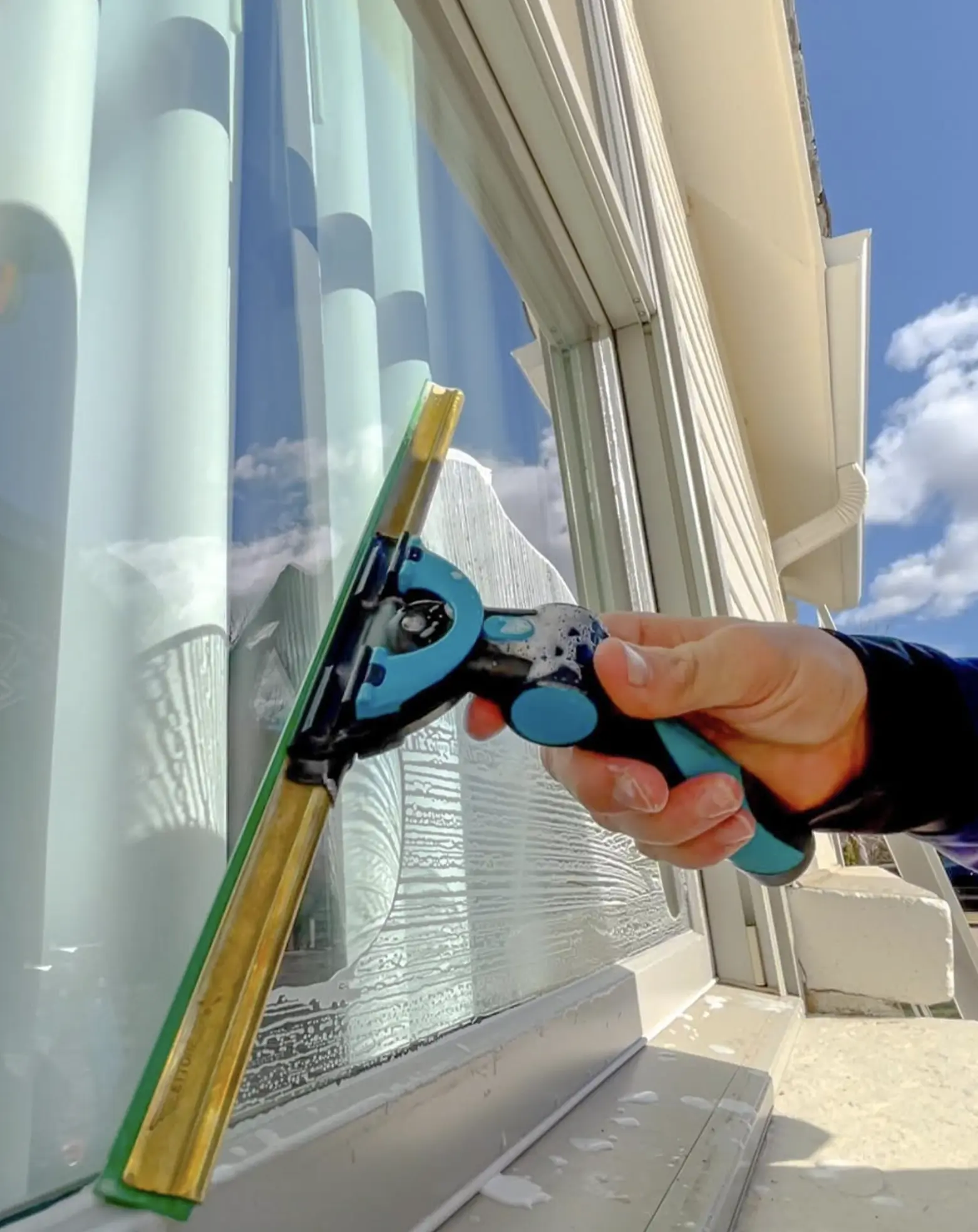
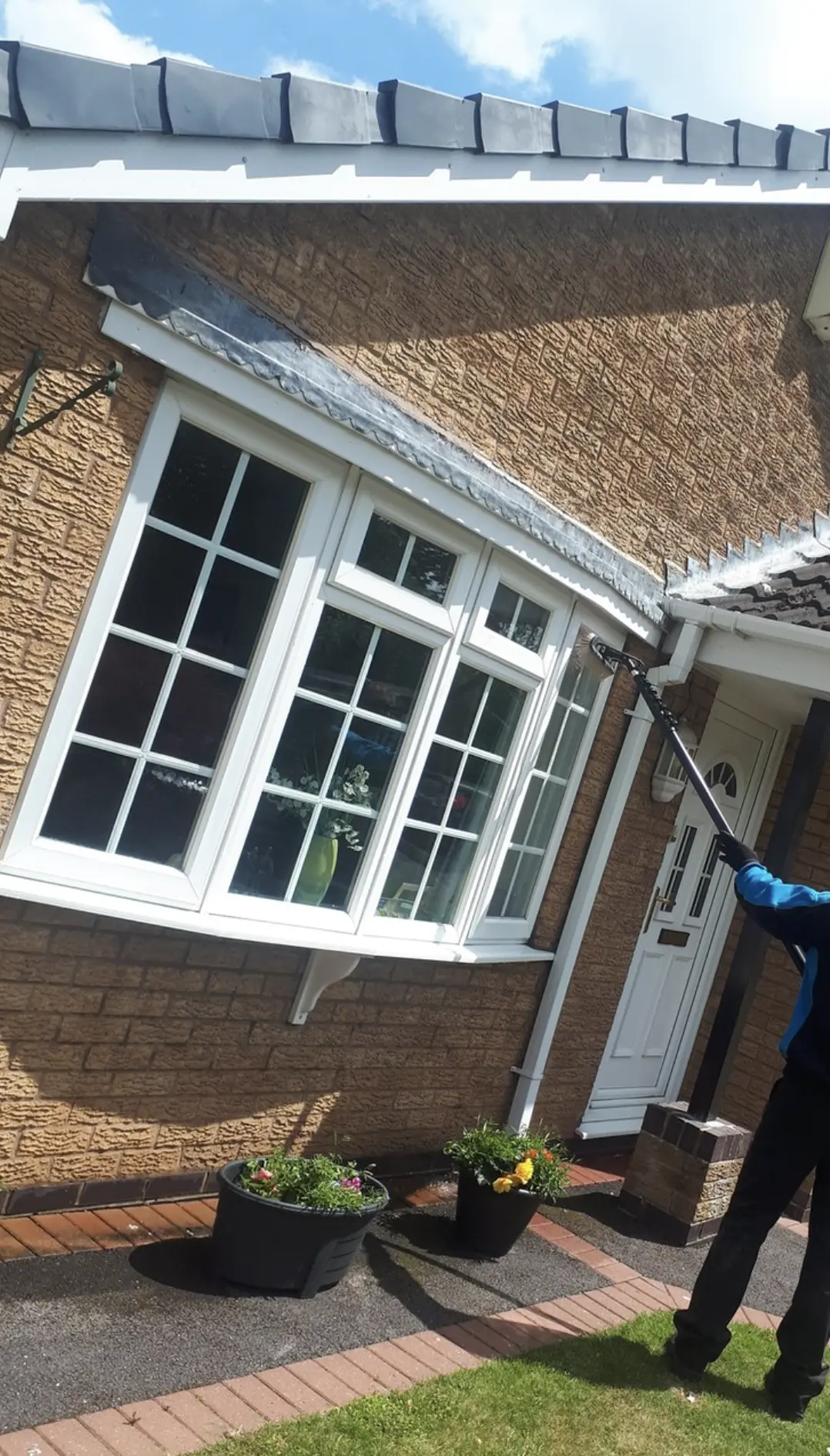
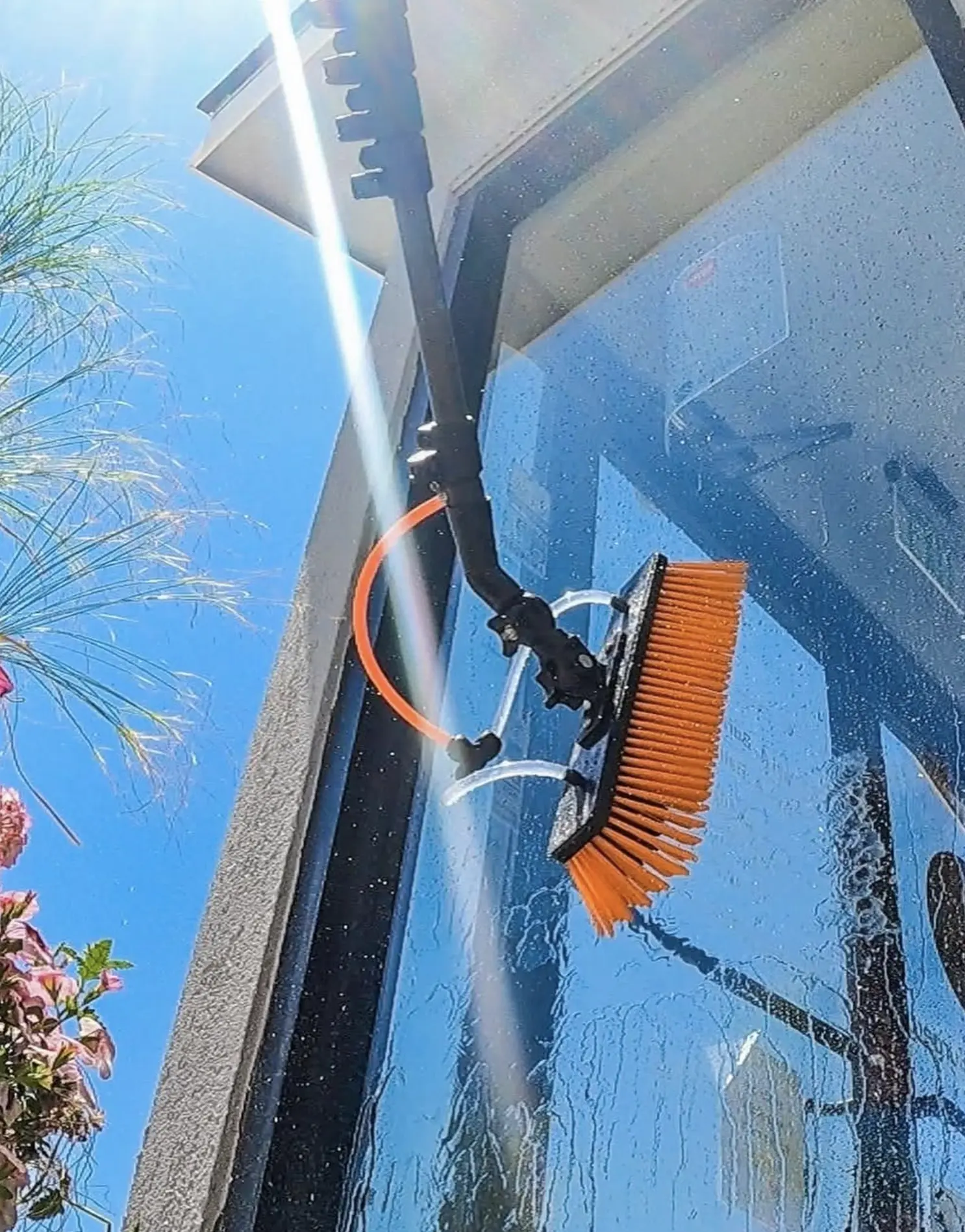
- Tools required: water-fed poles, pressure washing, or manual gear like cleaning pads and a soft cloth
- Additional services like track cleaning, flyscreens, and pressure cleaning of exterior surfaces
These window cleaning specialists often work a typical tradie day — starting around 7–8am and wrapping by 3–4 pm, weather permitting. But when the pre-holiday rush kicks in, some push through 10–12 hour days to hit demand across residential properties.
Many of these services fall under the growing demand for Window Cleaning Melbourne, especially in areas where both residential and commercial clients rely on professional help.
Commercial and High-Rise
High-rise window cleaning is a different beast. Crews might start as early as 5:30 am to beat traffic and catch calm morning winds — essential when working dozens of storeys up on skyscraper window cleaners’ rope setups.
A full day might involve:
- 8–10 hours of setup, rigging, rope access, and window washing
- Cleaning high-rise windows, commercial windows, or exterior windows of high-rise buildings
- Breaks dictated by safety harness rules and fatigue protocols
- The use of cherry pickers, rope descents, or purified water systems for a streak-free shine
If you’ve ever watched a crew of Melbourne window cleaning pros suspended outside a CBD skyscraper, you’ve seen how specialised and time-intensive this work can be.
Some jobs also involve cleaning glass windows in foyers or interior lobbies, particularly in commercial buildings with artificial lighting and foot traffic.
What Affects Window Cleaners’ Work Hours?
1. Weather Conditions
This is the biggest wildcard. Dirty water, rain, and wind slow work, not just for safety but because it causes water spots or prevent a streak-free finish. Most pros aim to clean when it’s overcast, using lukewarm water or warm water for the inse.
2. Job Type and Access Requirements
The degree of difficulty makes a huge difference. A two-storey rendered home with glass cleaner-resistant spots takes longer than a weatherboard with basic window panes. Add in the difficulty of access, and you’re looking at a job that eats up extra time, especially if you’re dealing with tall building types with no anchor points.
This is where High Rise Window Cleaning becomes a specialist field — where access equipment, rigging, and crew rotation significantly impact how many hours get logged.
3. Team Size and Rounds for Sale
A solo residential window cleaner can only do 4–6 jobs a day. A three-person team on commercial or strata jobs might do one large site. Many window cleaning companies run set rounds for sale with cleaners cycling through known clients on set frequencies. Larger crews may complete 9–10 houses per day, depending on access.
4. Type of Window Cleaning and Tools
There are many types of window cleaning services. Some rely on standard rate techniques with mops and squeegees. Others use window cleaning tools like tucker poles, Washing Kits, or advanced filtration systems. Professional window washers are trained to adapt based on building type, grime levels, and customer expectations.
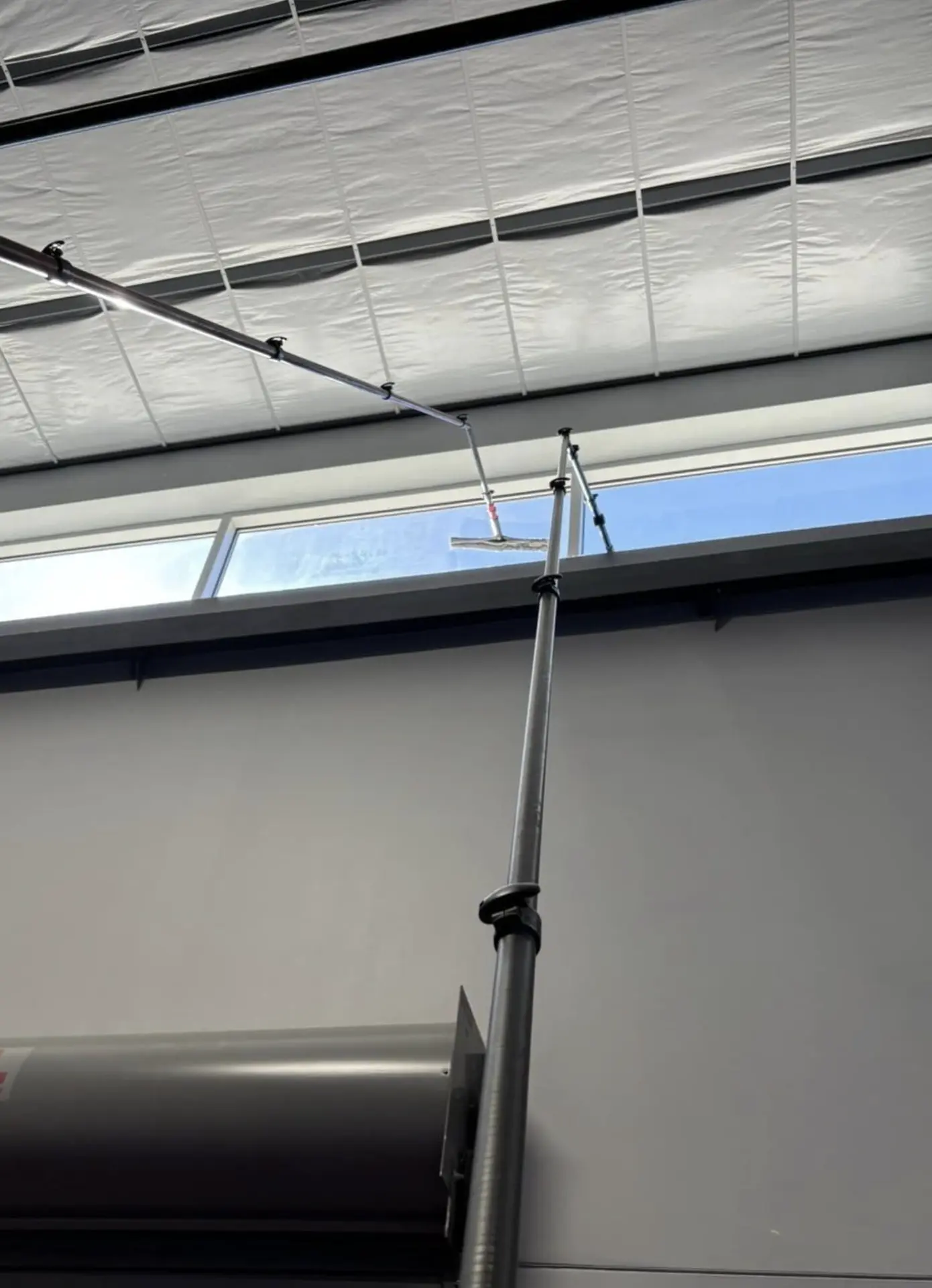
For example, window cleaners Melbourne teams often need a mix of equipment ready for tight alleys, multistorey homes, and office towers on the same day.
5. Frequency of Service
Clients who book regular window cleaning (monthly or quarterly) tend to have faster jobs — less coarse dirt, lighter water stains, and fewer access problems. One-off cleans of commercial properties or neglected houses with dirty windows often need more time, heavy rinses, and sometimes Pressure Washing to make a real difference.
6. Client Demands and Customisation
Every job is different. You may only want external panes, or you may need full professional window cleaning services, including window frames, tracks, sills, and removal of fly screens. Some clients also request fresh window cleaner treatments or hard-to-reach glass cleaning near rooflines.
Week in the Life of a Professional Cleaner
Let’s map a realistic week for a professional window cleaner:
Solo Residential Cleaner:
- 4–6 houses/day (30–38 hours on tools + travel/admin)
- Average window cleaning prices: $180–$300 per home
Commercial Crew:
- 1–2 commercial properties/day
- 40–48 hours, including site prep, rope checks, and anchor testing
- Window cleaning costs are billed by square feet, difficulty level, and sometimes hourly rates
Mixed Round (residential + strata):
- 10–15 houses per week + 1–2 strata blocks
- Use of cherry pickers or water-fed poles for multistorey access
Window Cleaning Business Owner:
- 20+ hours of admin, quoting, and client liaison
- 20–30 hours hands-on
- Overseeing a network of window cleaners with different skill levels and formal qualifications
Why Time Matters
Window cleaning isn’t just about how long it takes. It’s about whether the job is done right.
When you book professional cleaners, you’re not paying for minutes per house — you’re paying for experience, setup time, and the benefits of pressure washing or streak-free techniques. That extra 30 minutes could mean the difference between streak-free windows or water stains that drive you mad every time the sun hits the glass windows.
Final Word
Whether you’re cleaning windows in a shopfront on a busy street, 40 floors up a tower, or rinsing residential homes in the suburbs, the number of hours worked depends on more than just glass area.
The Window Cleaning Melbourne Crew is well known for taking on everything from standard residential cleans to complex high-rise exterior window maintenance.
FAQ
Do window cleaners work weekends?
Yes, especially during spring, summer, or pre-Christmas periods. Commercial cleaners often clean early mornings, evenings, or weekends to avoid disrupting businesses.
How long does it take to clean a house?
Depends on the type of window cleaning. A small single-storey can take under an hour. Larger residential window cleaning jobs with flyscreens, second-storey access, and additional services can take 2–3+ hours.
Do window cleaners charge by the hour?
Sometimes. Window cleaning cost is usually quoted per job, but large commercial windows or difficult high-rise window cleaning may be billed by hourly rates to allow for extra time and rigging.
Do high-rise window cleaners work in the rain?
Light drizzle might be OK, but rain, wind, or storms generally put the brakes on. Water affects grip and visibility, and rope access jobs are highly regulated for safety.
Can one cleaner do 10 houses a day?
In ideal conditions, yes — if it’s a known run of clean windows and frequent cleaning. But building type, access, and foot traffic can slow it down. Most pros average 4–6 houses a day.